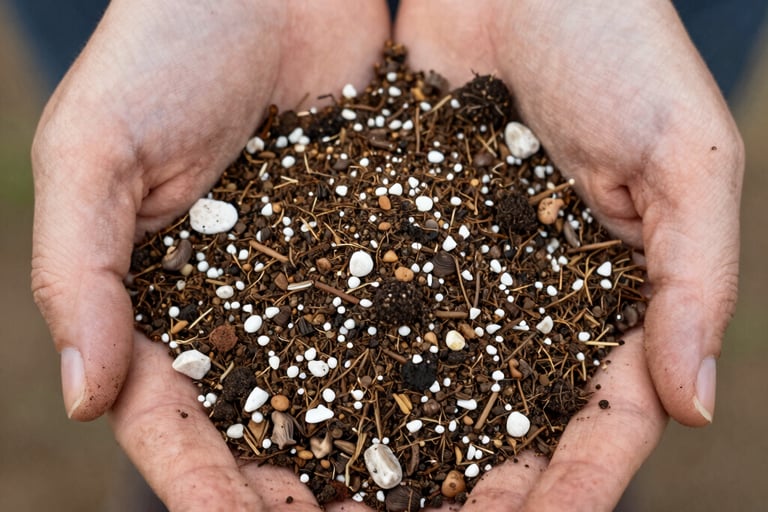
Every time you plunge your bare hands into a handful of healthy compost, you are interacting with billions of microscopic organisms that hold the key to human vitality. The long-held separation between human biology and agricultural soil is a myth. Science now reveals that the diversity of the soil microbiome mirrors the diversity of our own internal digestive ecosystem.
The Underground Communication Network
Plants do not feed passively on synthetic powders; they rely on a sophisticated bartering system with soil microbes. Mycorrhizal fungi and specialized bacteria digest minerals and deliver them directly to plant roots in exchange for liquid carbon. When we harvest from a lively, untreated bed, we consume those very same beneficial microbes along with a vastly superior trace mineral profile.
Why Sterility Is the Enemy
Modern agricultural practices rely heavily on synthetic fertilizers and chemical sprays that effectively sterilize the topsoil. This yields uniform, bland crops that lack the phytonutrients our immune systems need to thrive. By embracing a no-dig philosophy, we protect these fragile fungal networks and allow complex biological compounds to enter our food chain naturally.
Steps to Cultivate Living Foods
Start by discarding commercial chemical fertilizers and introducing diverse organic matter into your soil mix. Stop tilling your garden beds, as physical disruption tears apart the fungal highways that transport critical micronutrients to your crops. Your digestive tract will thank you for the robust diversity of your harvest.
Creating your own soil mix can be a rewarding and sustainable way to ensure your garden thrives naturally and healthily. By using a combination that is free of chemicals and full of beneficial components, you can cultivate luscious plants and produce, especially when growing food. In this guide, we'll discuss how to create a powerful soil mix using 80% organic mushroom compost, 15% vermiculite, and 5% perlite, explaining the role of each ingredient and how they contribute to fostering a vibrant garden.
Ingredients of Your Soil Mix
1. Organic Mushroom Compost (80%)
Organic mushroom compost is a by-product of mushroom farming, consisting of composted materials such as straw, hay, and other organic matter enriched during the mushroom growing process. This component forms the bulk of the soil mix due to its rich nutrient profile and moisture retention capabilities.
- Nutrient-Rich: Mushroom compost is high in nitrogen, phosphorus, potassium, and essential micronutrients. These nutrients are crucial for healthy plant growth, enabling roots to develop well and enhancing the quality of fruits and vegetables.
- Microbial Activity: The decomposition process brings beneficial microorganisms that improve soil health. These microbes help break down organic matter, enhance nutrient availability, and create a balanced ecosystem within the soil.
- Moisture Retention: Its organic composition allows mushroom compost to hold moisture effectively, reducing the need for frequent watering—especially important during dry seasons.
- Soil Structure Improvement: The addition of compost improves soil structure, leading to better aeration and drainage, which helps prevent root rot and other issues related to poor drainage.
2. Vermiculite (15%)
Vermiculite is a naturally occurring mineral that, when heated, expands and becomes lightweight and porous. It plays a vital role in your soil mix due to its unique properties.
- Aeration: The lightweight particles of vermiculite create air pockets within the soil, promoting aeration. This is essential for root health, as plants require oxygen for cellular respiration.
- Moisture Retention: Vermiculite can absorb several times its weight in water, slowly releasing moisture to plant roots over time. This property helps keep your plants hydrated, especially during periods of drought.
- pH Neutral: Vermiculite is pH neutral, making it safe for plant growth and ensuring that it does not affect the acidity of the soil mix. This characteristic allows for a balanced environment for various crops.
3. Perlite (5%)
Perlite is a volcanic glass that expands when heated and is commonly used in potting mixes for its drainage capabilities. Even in a minimal amount, perlite contributes significantly to the soil mix.
- Enhanced Drainage: Perlite's porous structure ensures excess water drains quickly, preventing soggy soil conditions that can lead to root diseases. This is particularly important for your food crops, as overly wet conditions can damage delicate roots.
- Lightweight Nature: Its lightweight nature makes it easy to handle and mix with other ingredients, ensuring that the overall consistency of the soil remains manageable for planting.
- Soil Aeration: Like vermiculite, perlite promotes airflow within the soil, helping roots breathe and encouraging overall plant health.
### Why This Soil Mix is Beneficial for Growing Food
Choosing to create your own soil mix using these components not only promotes a chemical-free environment but also enhances the growth and wellbeing of food plants. Here are some benefits this soil mix brings to gardening:
- Nutrient Availability: The combination of organic mushroom compost with vermiculite and perlite provides a steady supply of nutrients, allowing your plants to access what they need throughout their growth cycle. This leads to healthier, more vigorous plants, capable of yielding greater quantities and better-quality produce.
- Balanced Moisture Levels: With the moisture-retaining properties of mushroom compost and vermiculite, combined with the drainage capabilities of perlite, this mix creates the ideal balance of moisture in the soil. This balance is crucial for preventing drought stress and ensuring that roots are never waterlogged.
- Fostering Microbial Life: An organic mix rich in compost encourages microbial diversity, a critical factor for soil health. Beneficial fungi and bacteria help in nutrient cycling, which can lead to stronger plant defenses against pests and diseases.
- Sustainable Gardening Practices: By making your own soil mix, you engage in sustainable gardening that minimizes reliance on chemical fertilizers and pesticides. This not only protects the environment but also promotes a healthier food system for your family.
Making your own soil mix using 80% organic mushroom compost, 15% vermiculite, and 5% perlite is a simple yet effective way to enhance your gardening efforts. This combination offers an optimal balance of nutrients, moisture, and aeration, leading to healthier plants and bountiful crops. As you embark on your gardening journey, remember that nurturing the soil is the first step toward cultivating success. Enjoy the process and reap the rewards of your natural, homegrown food!