
Maximizing Yield: Growing Fresh Herbs in a Small Outdoor Space
Grow herbs in a small space in a small space for access to fresh herbs at any time!
GARDEN MANAGEMENT
7/17/20262 min read
Introduction
For urban dwellers and homeowners with limited outdoor space, cultivating a garden can seem daunting. However, growing a collection of fresh herbs in a small outdoor patio or yard is not only feasible but also rewarding. With a focus on efficiency and maximum yield, this post will guide you through the process of establishing your own herb garden, ensuring fresh produce at your fingertips.
Choosing the Right Herbs
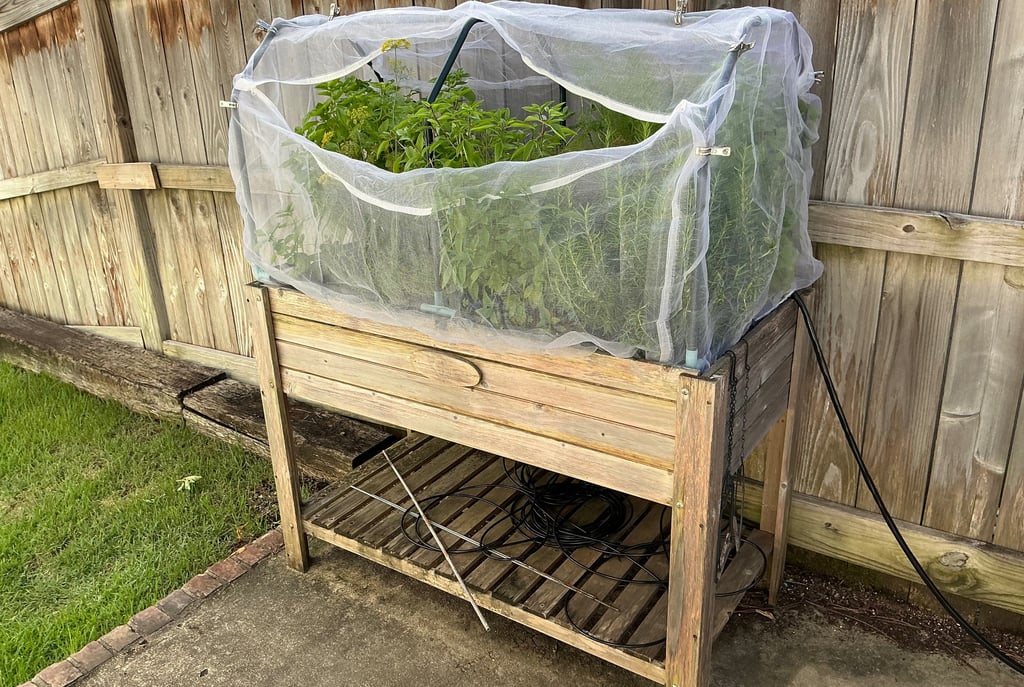
When selecting herbs to grow, it's important to consider your culinary needs as well as the space available. In just a 4 ft by 2 ft raised bed, you can successfully cultivate a variety of herbs. Suitable options include basil, oregano, thyme, chives, rosemary, parsley, Thai basil, and mint. Not only do these herbs take up minimal space, but they also thrive year-round in many climates, allowing for continuous harvesting. Most importantly, since cooking often requires just small amounts, having a home herb garden means you can pick only what you need, efficiently utilizing your garden's capacity.
Creating the Perfect Environment
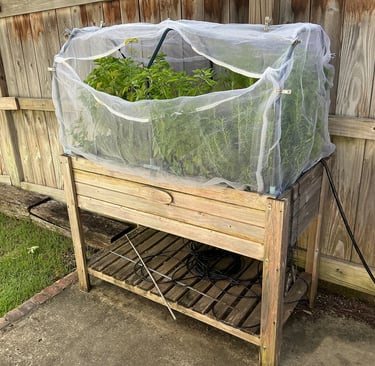
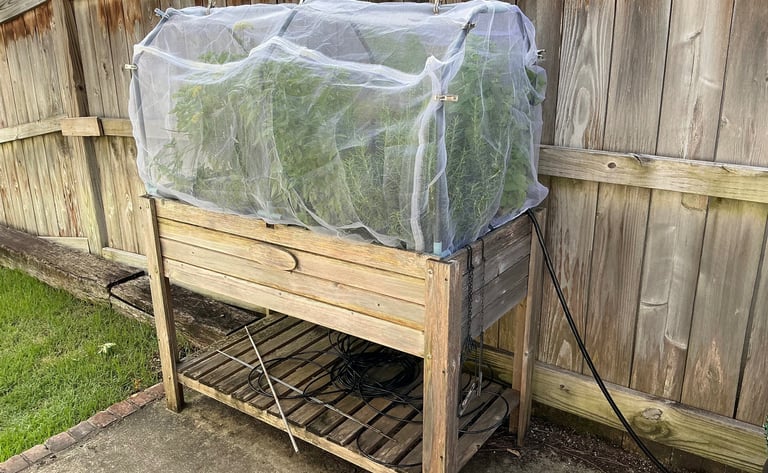
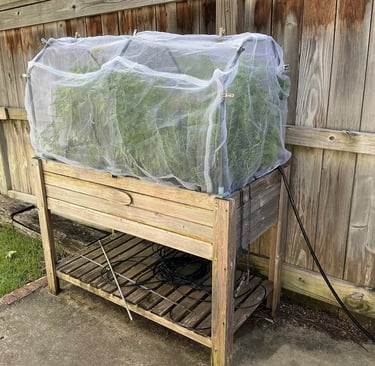
Your small herb garden will thrive best in a part shade location, minimizing exposure to harsh sunlight, especially during peak hours. For effective pest control, consider using a fine mesh cover, which protects your plants while allowing necessary light and air to circulate. Additionally, setting up a simple irrigation system ensures consistent moisture levels—timers can automate watering, providing your herbs with the care they need without daily oversight.
Harvesting and Maintenance Tips
Harvesting herbs correctly is key to promoting prolific growth. Cut about 1/2 inch above the node, where two leaves are attached. This method encourages bushier plants and ensures you get more yields in the future. Moreover, many herbs, including chives, thyme, and rosemary, can be perennial, re-emerging each year and saving you costs on replacements.
To maintain soil health and structure, use an organic mix with a ratio of 85% mushroom compost, 15% vermiculite, and 5% perlite. Each season, top off your bed with this mix and allow dead roots to decompose, enhancing nutrients and aeration in your soil. While a slow-release fertilizer at the start of the season is helpful, regular fertilization is often not necessary.
The Joy of Herb Gardening
Establishing and tending to your small herb garden can bring a sense of peace and joy. The meditative practice of caring for your plants helps alleviate stress and offers a connection to nature. Many have found this soothing process to contribute positively to their well-being, especially for those facing depression. So whether you have a small patio, side yard, or balcony, growing fresh herbs can be a fulfilling experience to enrich your culinary endeavors and elevate your mood.
Grow Well Eat Well
Nourish your body and mind with simple, healthy tips from us. Kitchen wisdom for the home grower.
Home-Journal-Philosophy-Connect
© 2026 Grow Well Eat Well-Cultivating living soil and simple food.
SOIL TO GUT CONNECTION